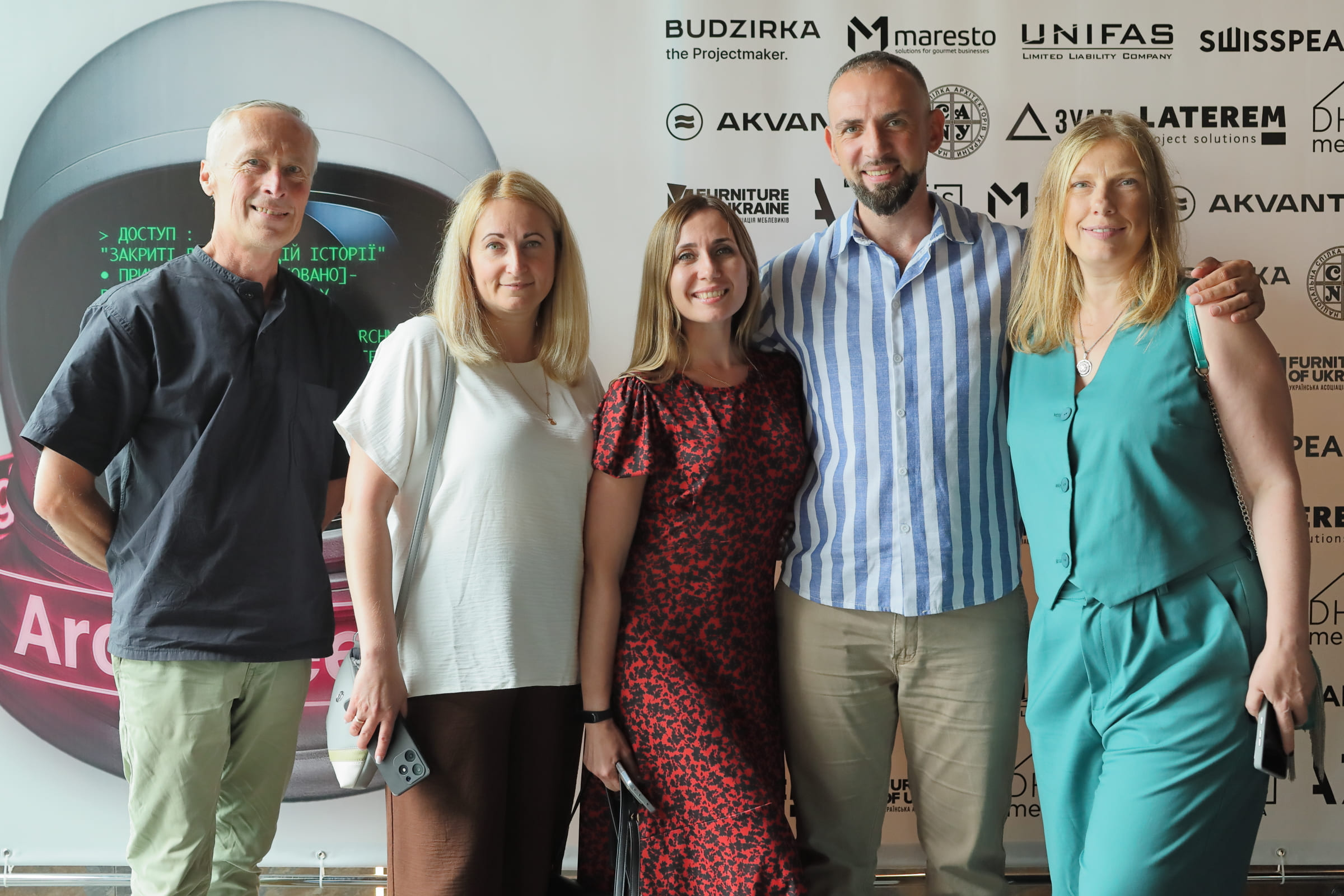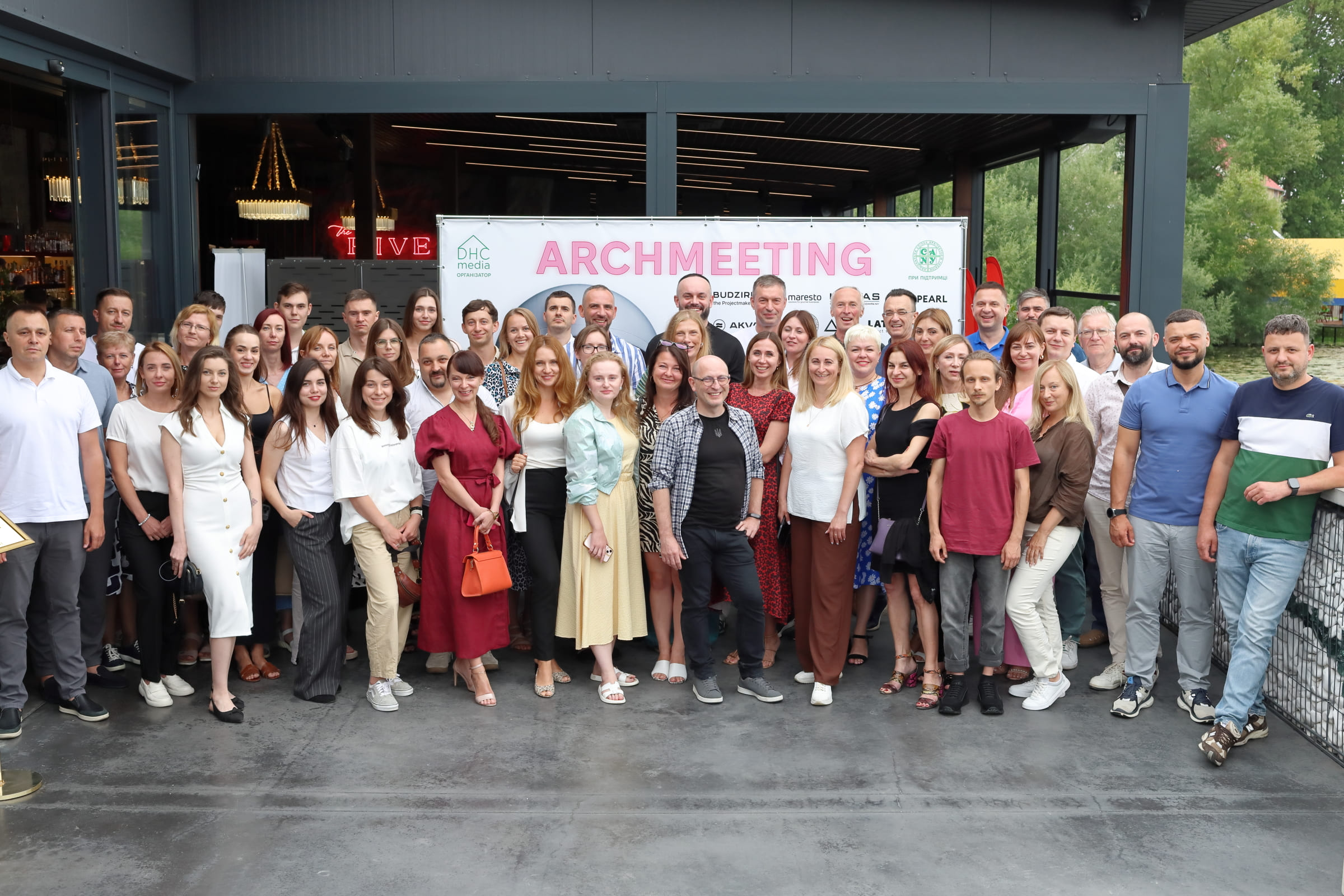
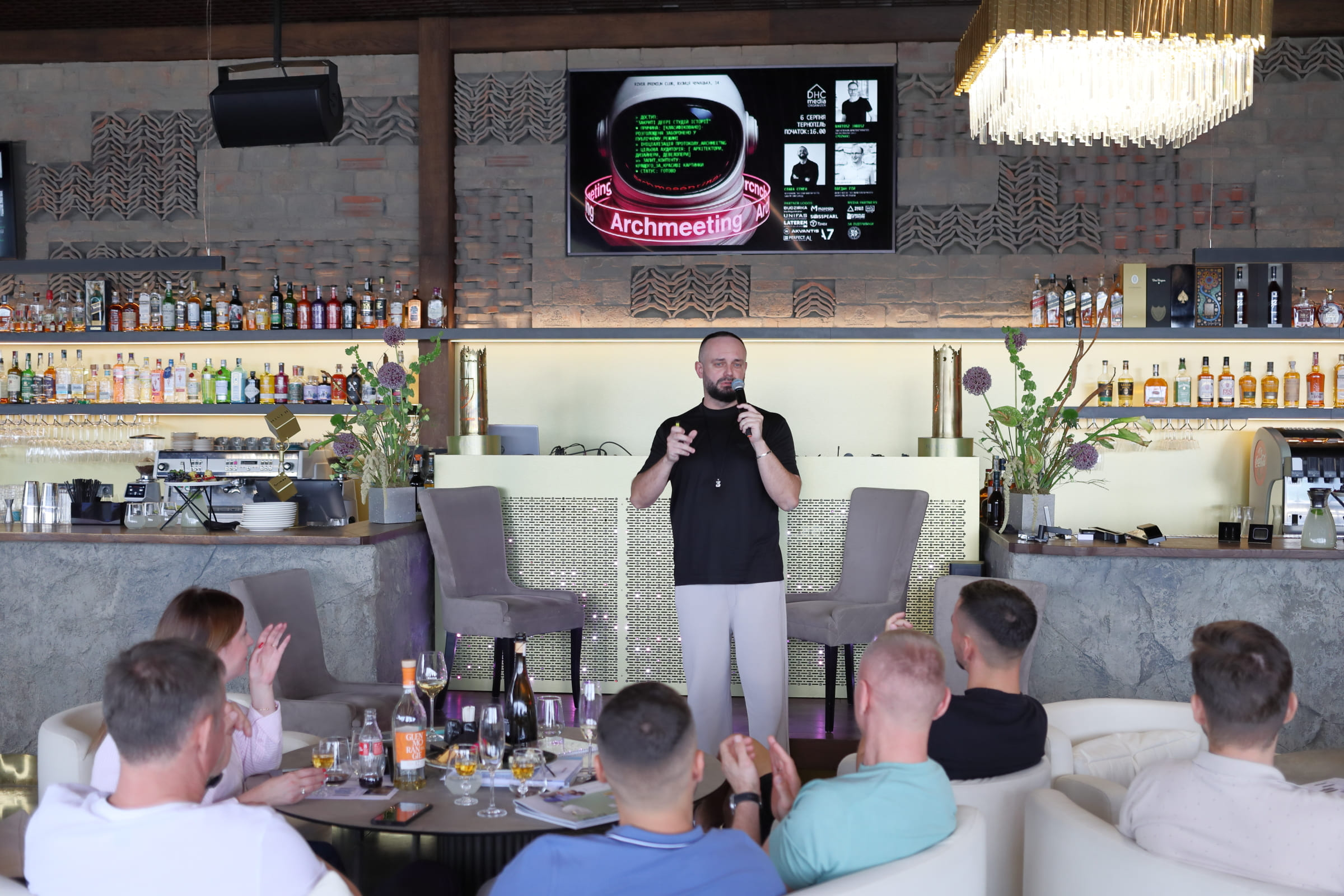
ARCHMEETING in Ternopil, organized by DHC media, brought together a professional community and became an important platform for frank discussion of the internal processes of architectural, design, and project studios. The format of the evening — a conversation “behind closed doors” — allowed participants to talk not only about successful cases, but also about difficult decisions, breaks with partners, and management conflicts that shape the team and influence business strategy. It was precisely this format that allowed problems to be transformed into concrete conclusions rather than remaining a topic for general discussion.
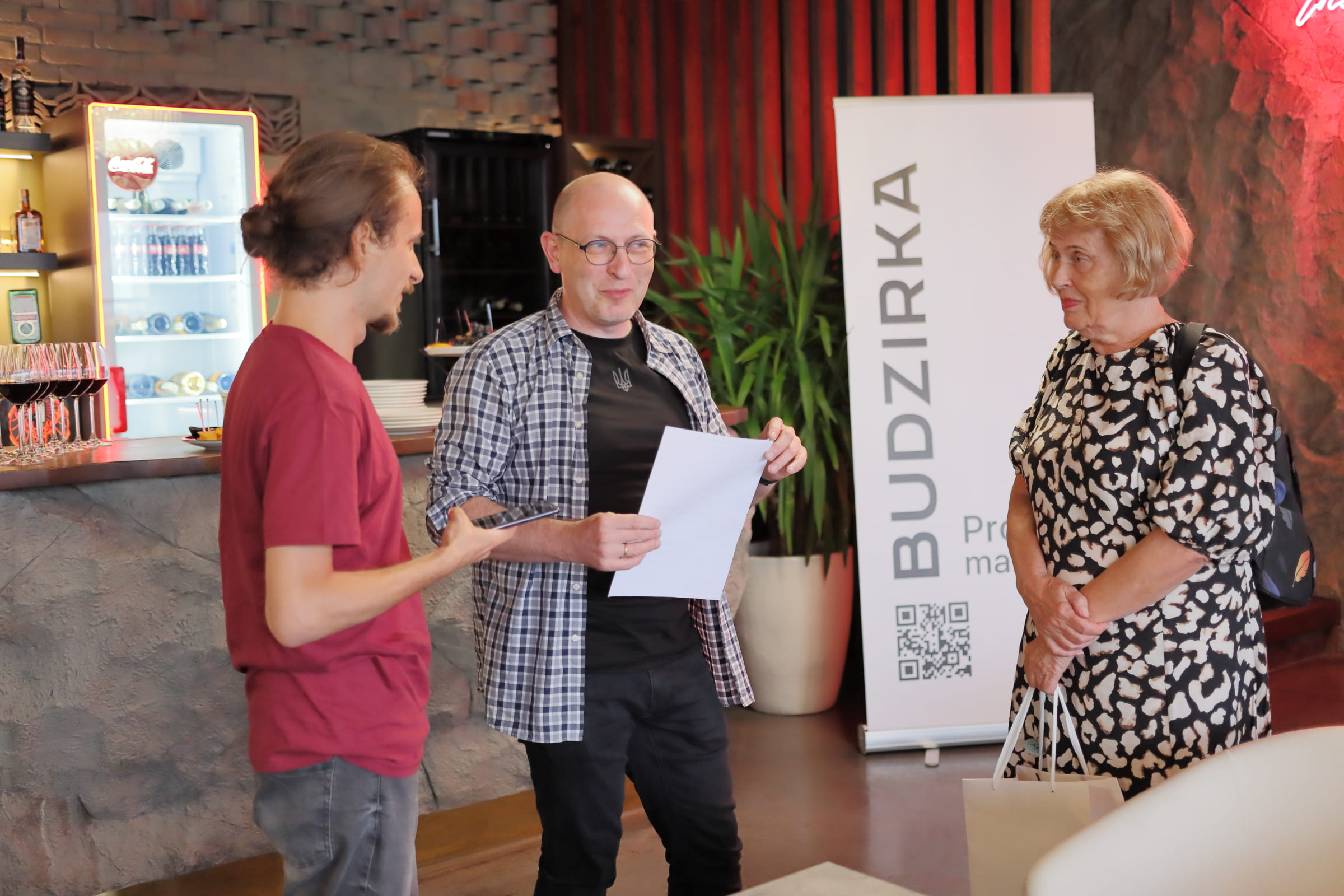
A separate part of the meeting was devoted to urban planning issues: the need to take into account the historical context in the development of the master plan for Ternopil and ways to organically integrate new projects into the existing environment without destroying it were discussed. Government officials, local experts, and businesses emphasized that effective urban planning policy requires a combination of professional vision from architects with transparent procedural mechanisms and open dialogue with the community.
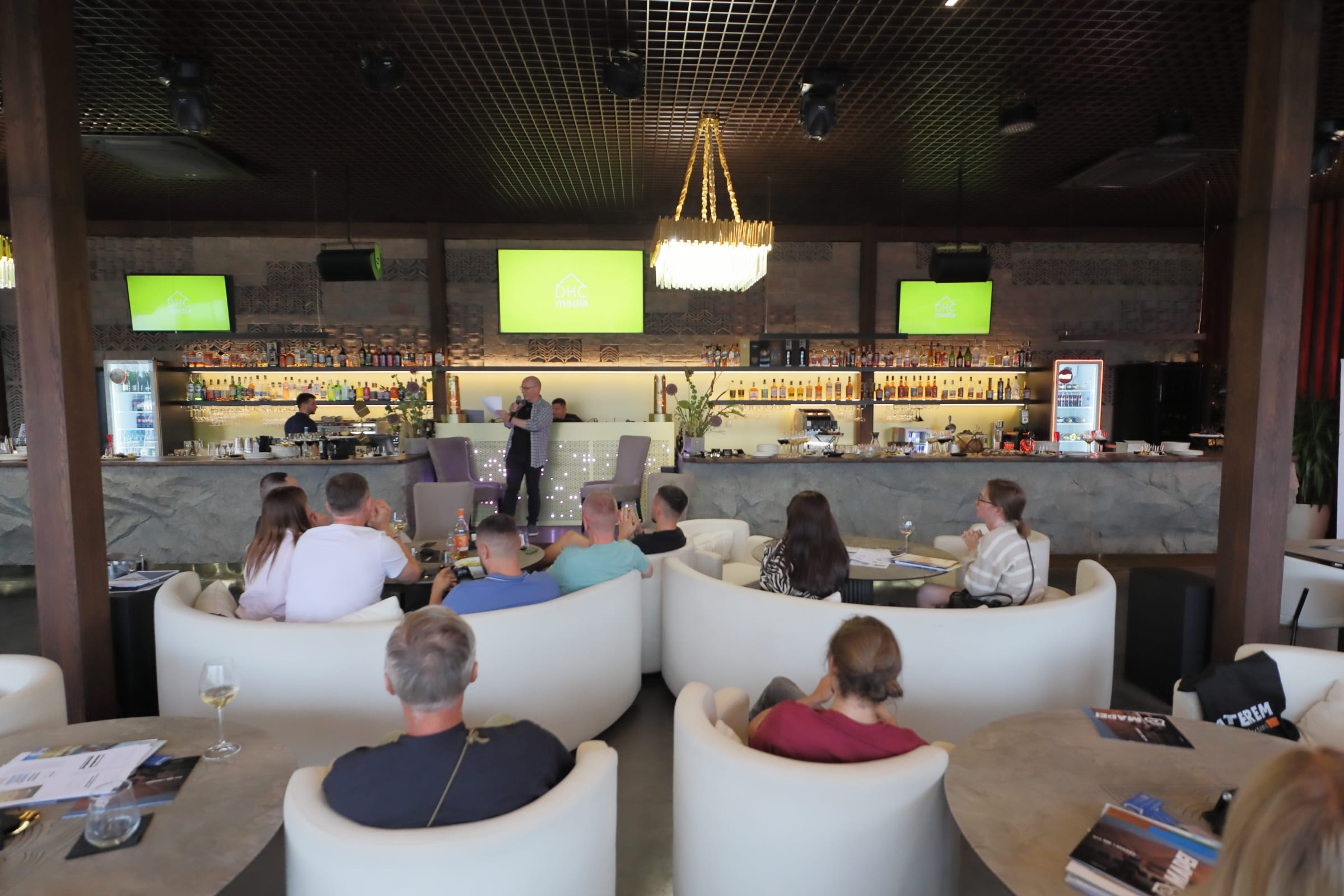
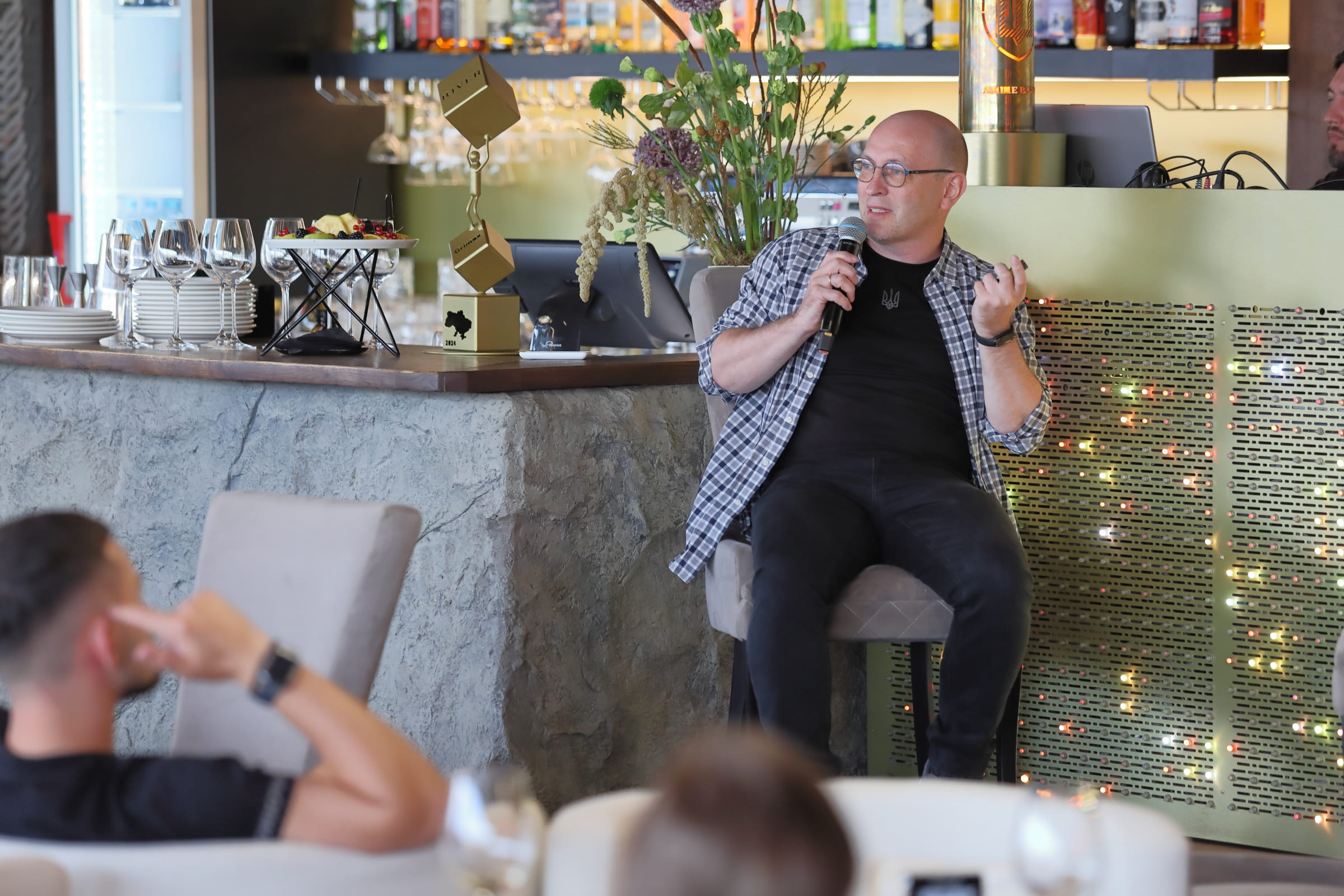
Speakers of the evening — Slava Semen (The One Architects Lab, Uzhhorod), Bartosz Jarosz (Neostudio, Poznań), and meeting moderator Bohdan Goy (A7, Lviv) — touched on both the practical aspects of designing and facilitating project processes and complex cases of interaction with partners and investors. The presentations were notable for their realistic approach: issues of responsibility, quality standards, and finding compromises in conflict situations were considered not as exceptions, but as part of professional practice.
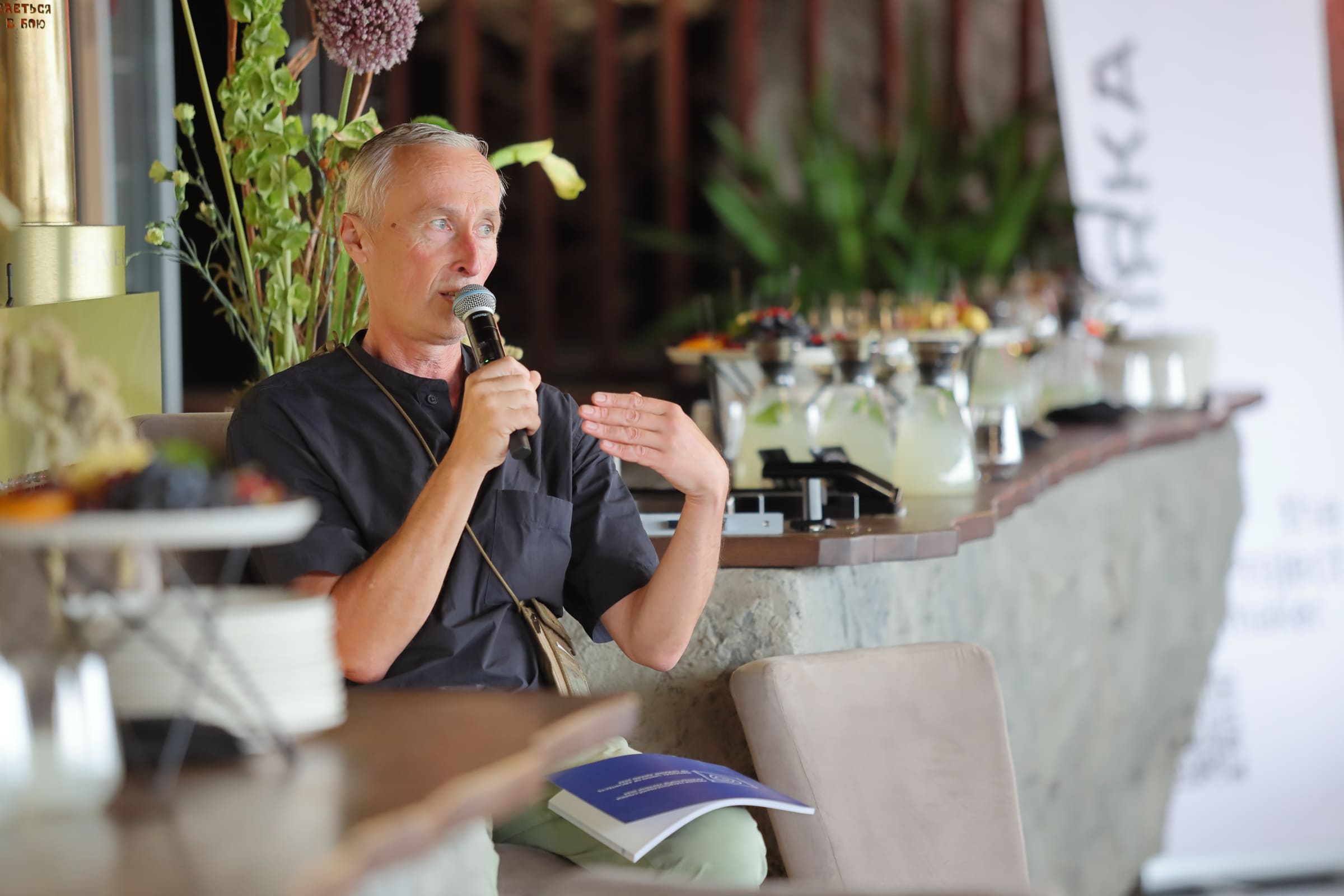
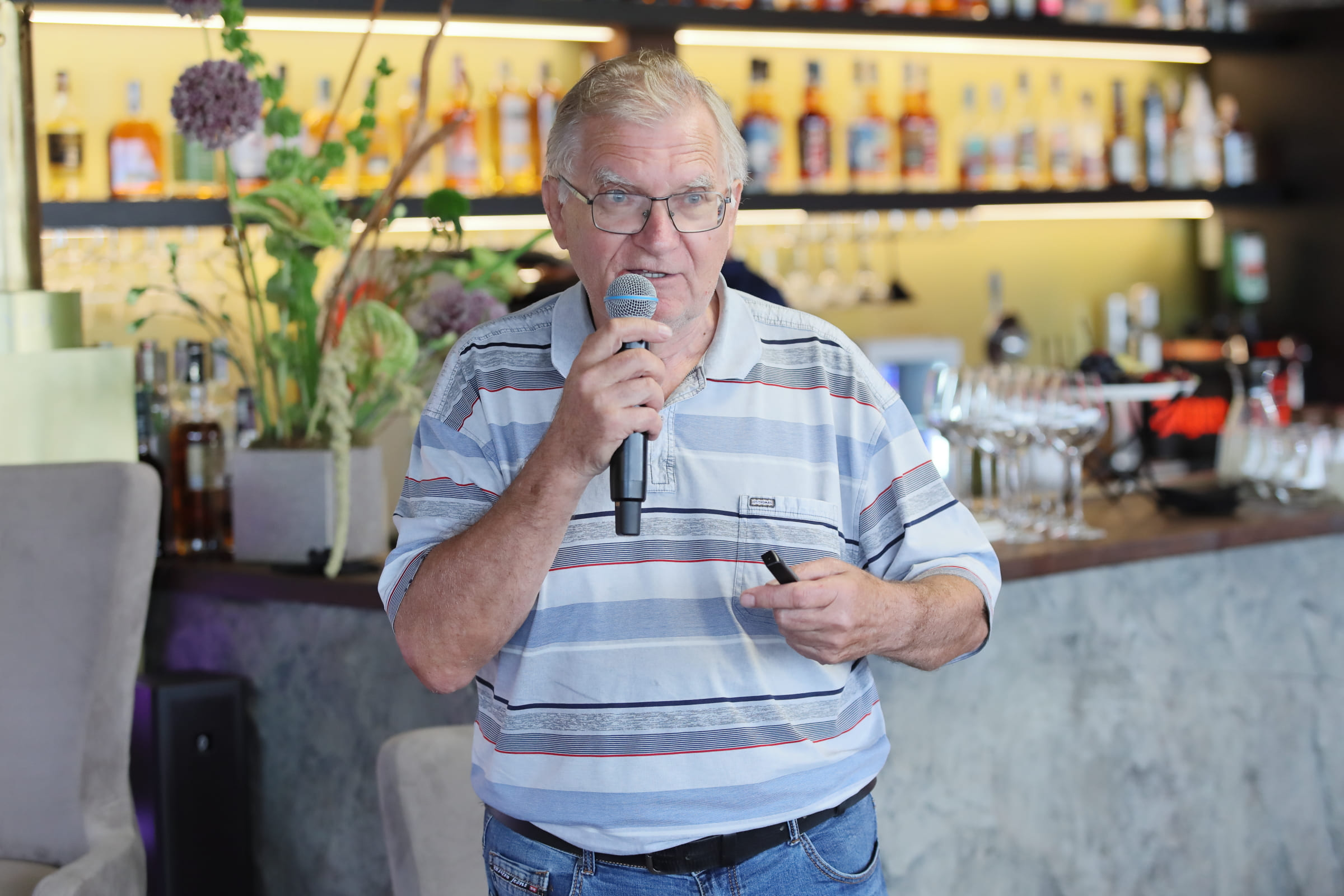
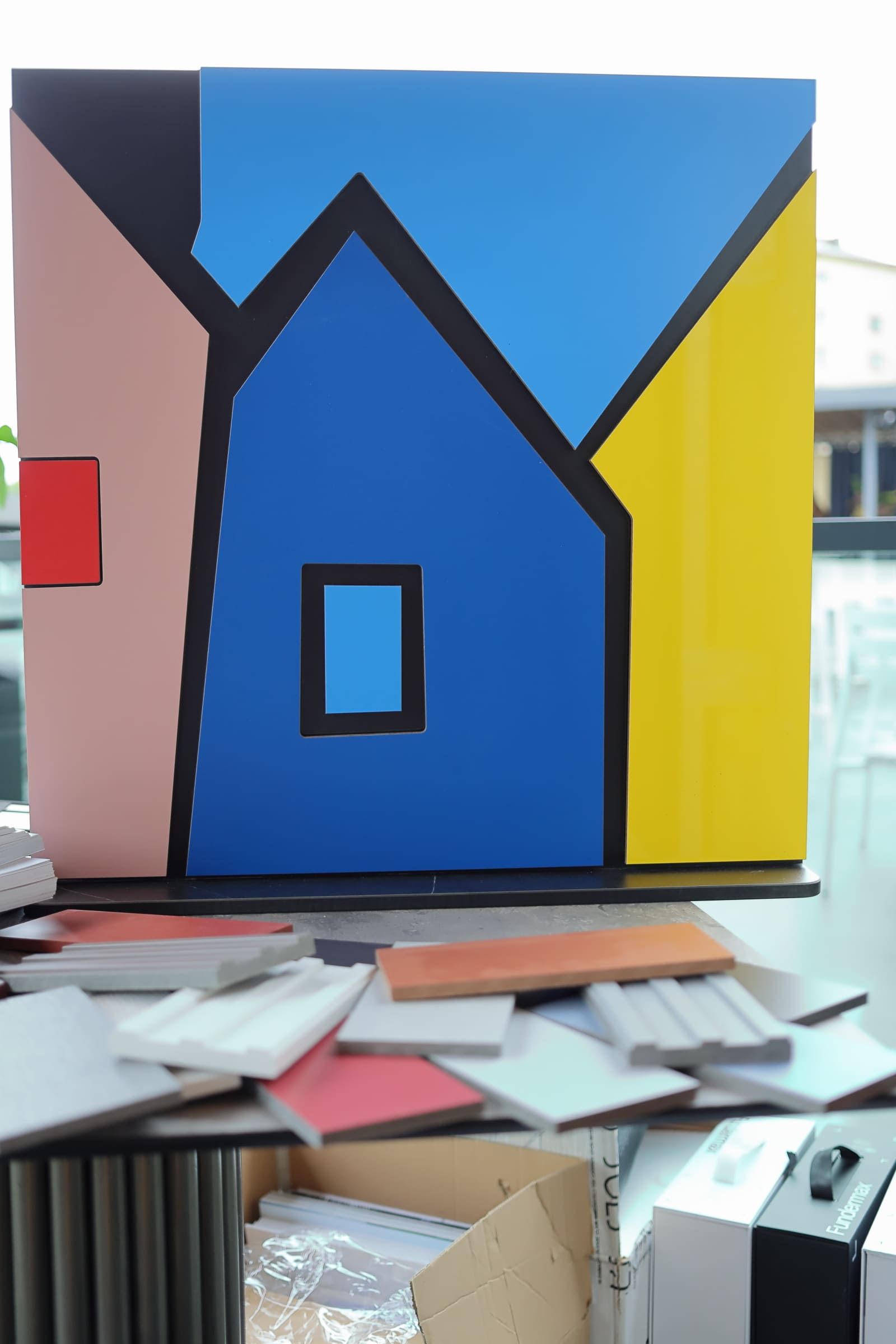
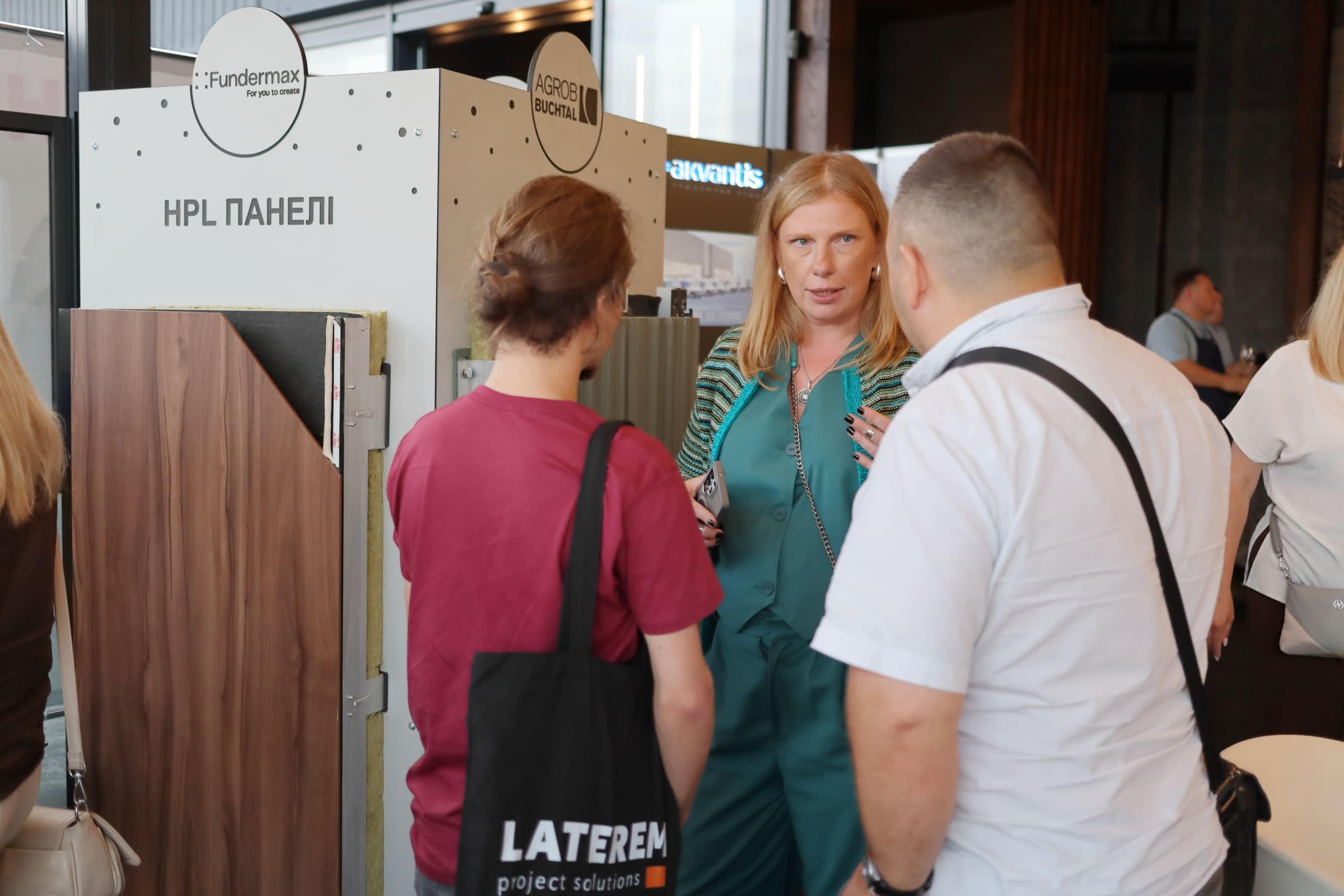
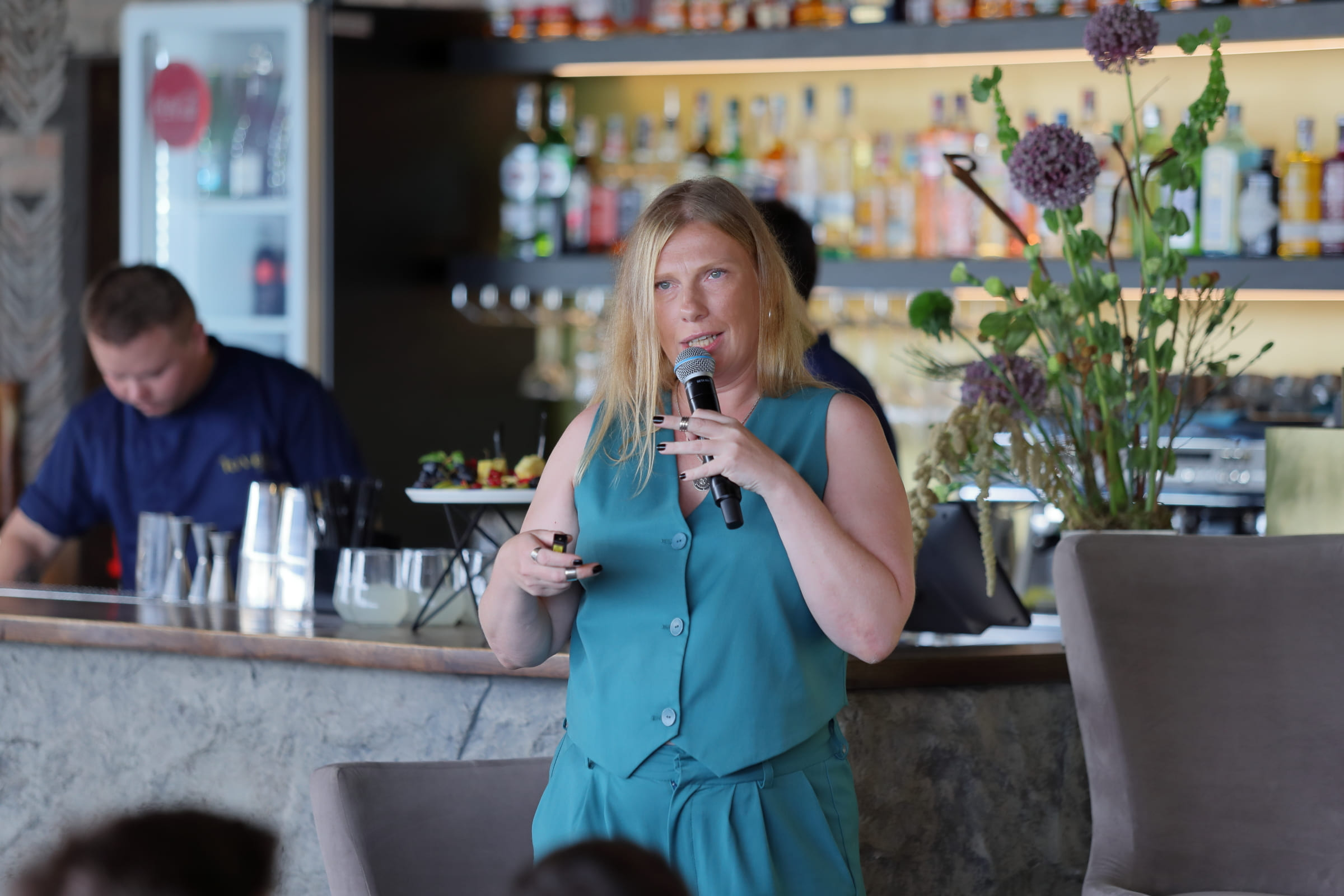
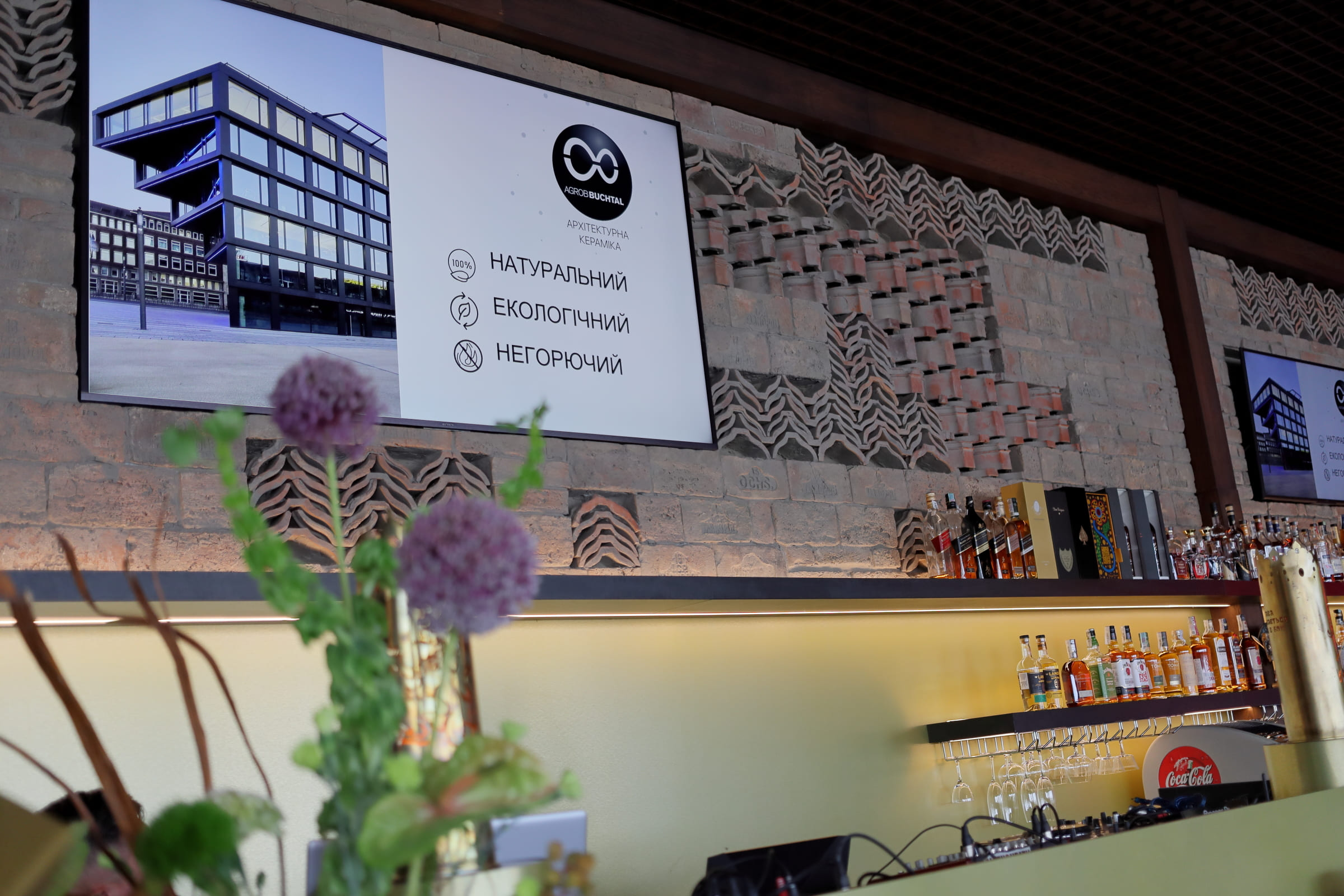
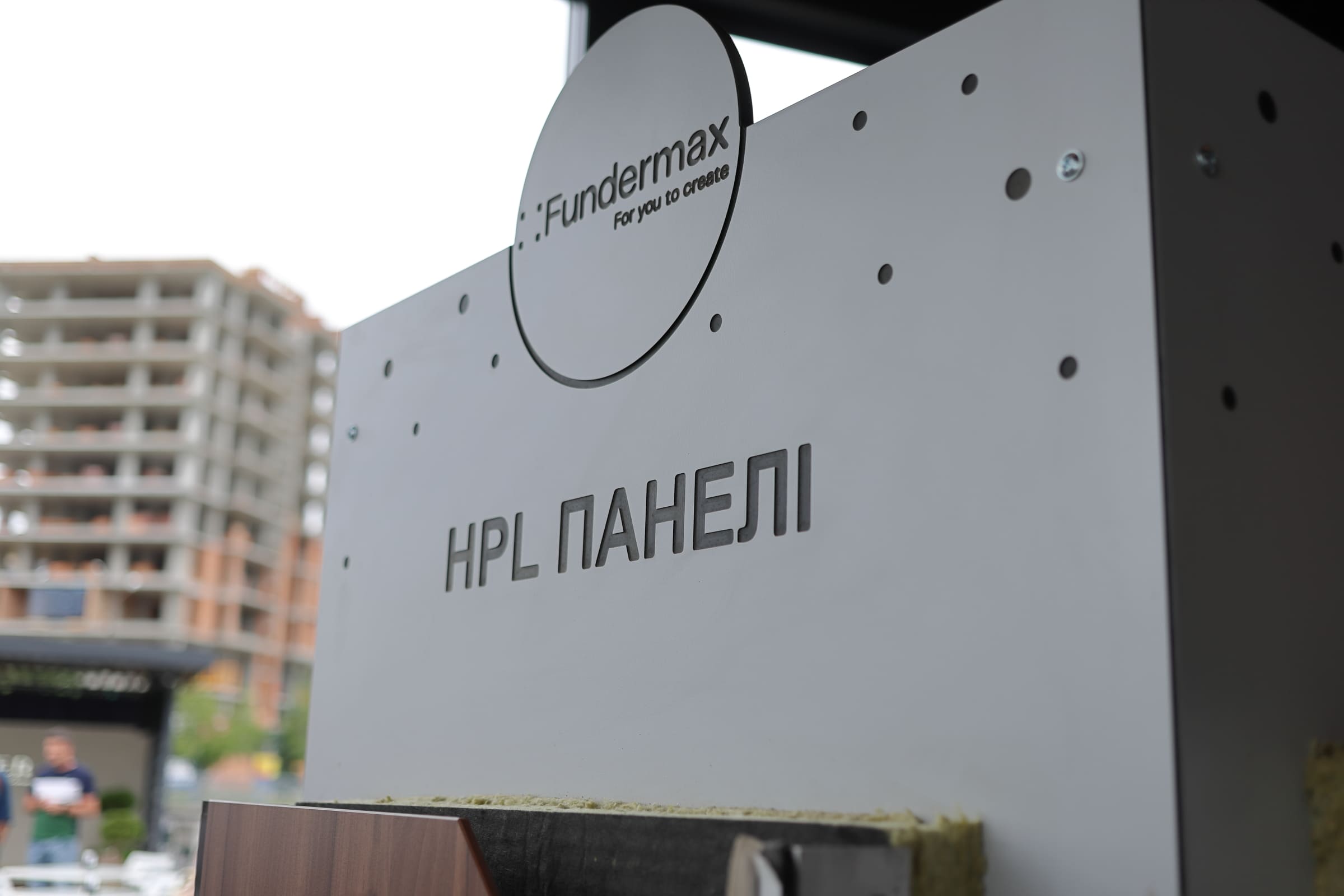
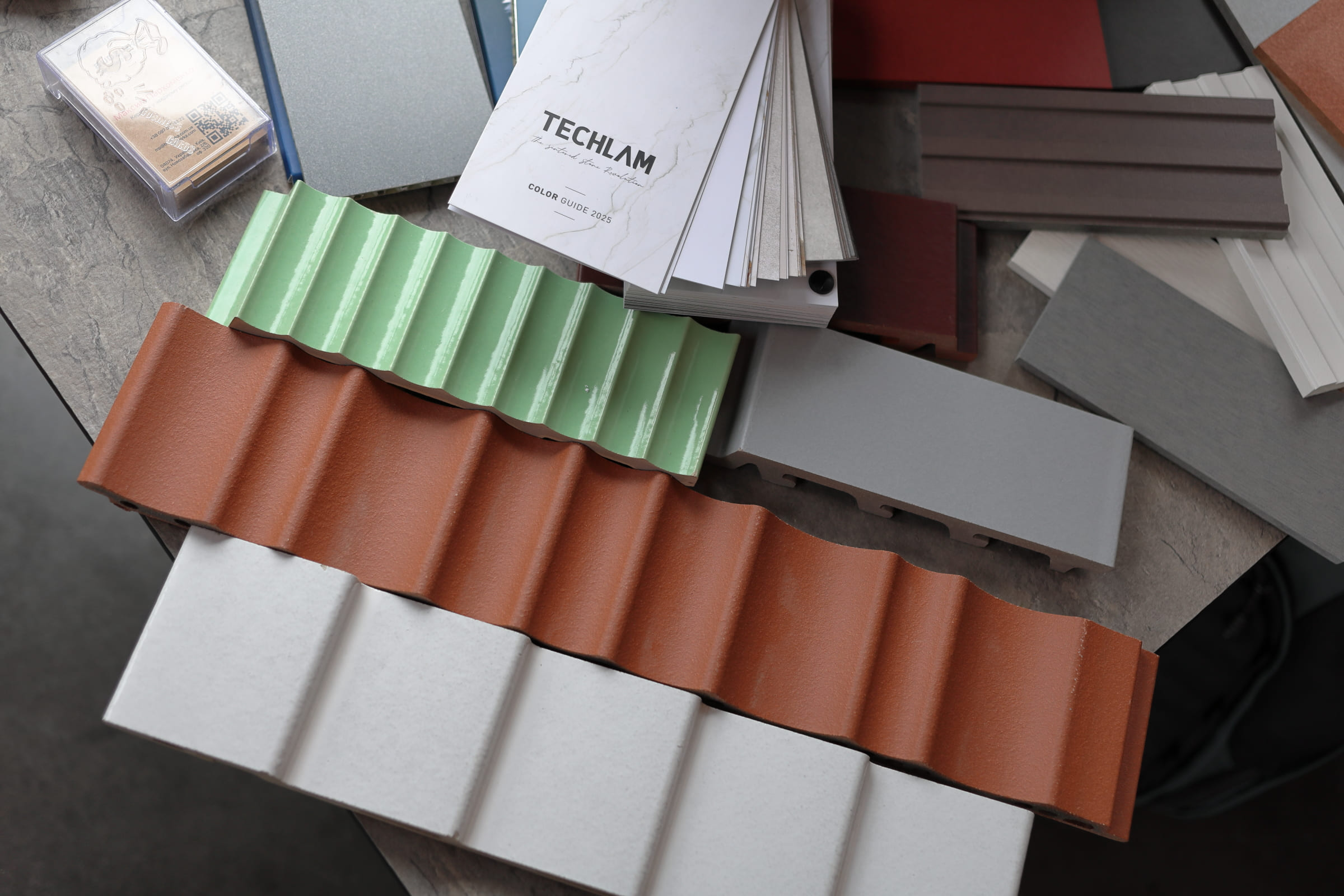
Participants also familiarized themselves with examples of modern materials for facades (HPL panels, architectural ceramics, fiber cement, and others): a representative of our company BUDZIRKA, Anastasia Vesnyanka, demonstrated premium solutions for facade finishing and emphasized the potential of regional projects to participate in national and international competitions. Her presentation emphasized that technical culture and high-quality material selection can become a competitive advantage for local studios and developers.
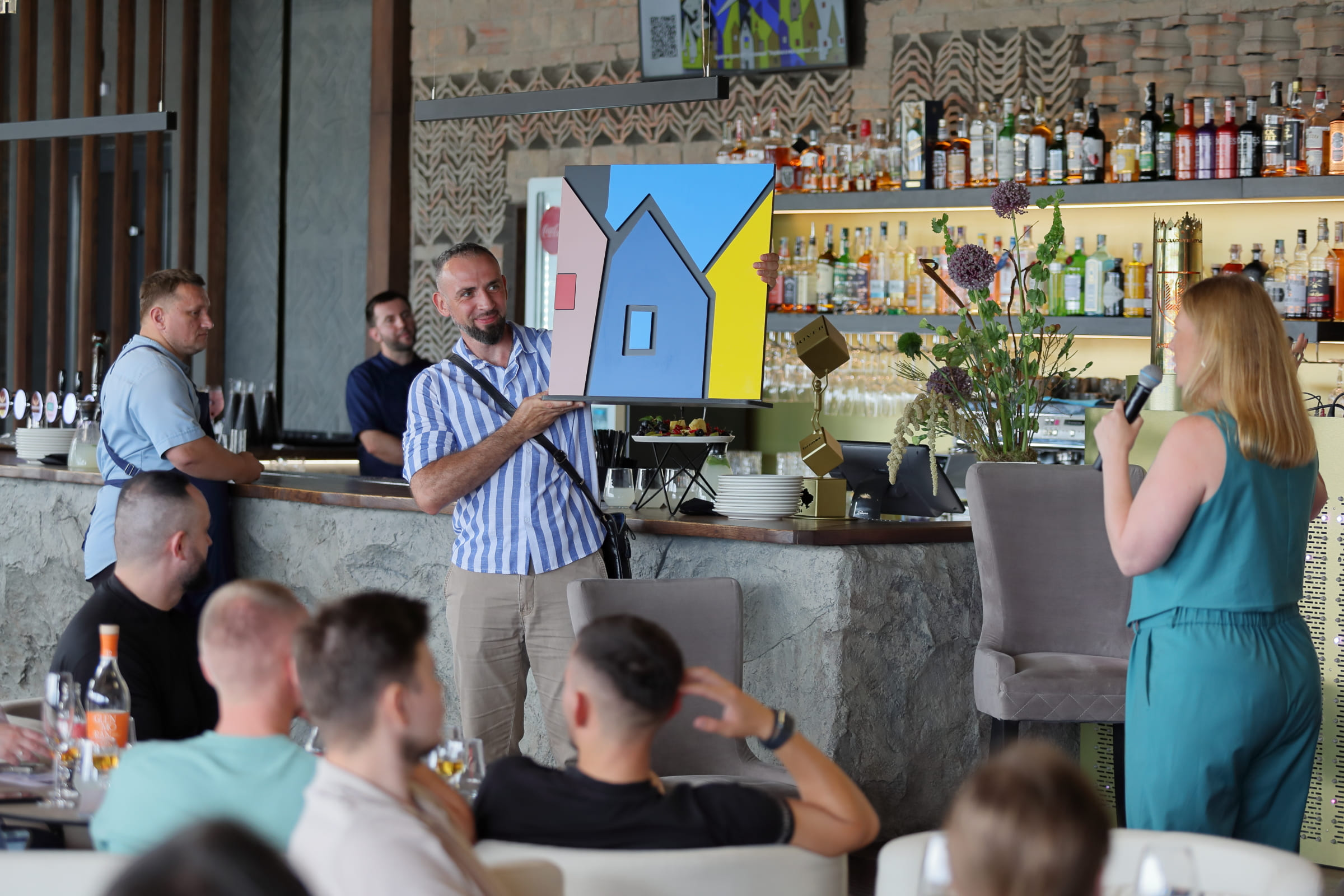
The evening ended with a clear agreement to continue professional dialogue and strengthen cooperation between architects, business, and government. Ternopil demonstrated a creative core capable of professional growth; to achieve ambitious goals, systematic support, open competitions, and practical tools for raising design standards are needed. ARCHMEETING was the first step in this direction — a well-founded and pragmatic one, with specific topics for further work.